
ADA’s Living Guideline: How Dental Exams Support Early Detection of Oral Cancer
Highgate Dental · 2026-11-01
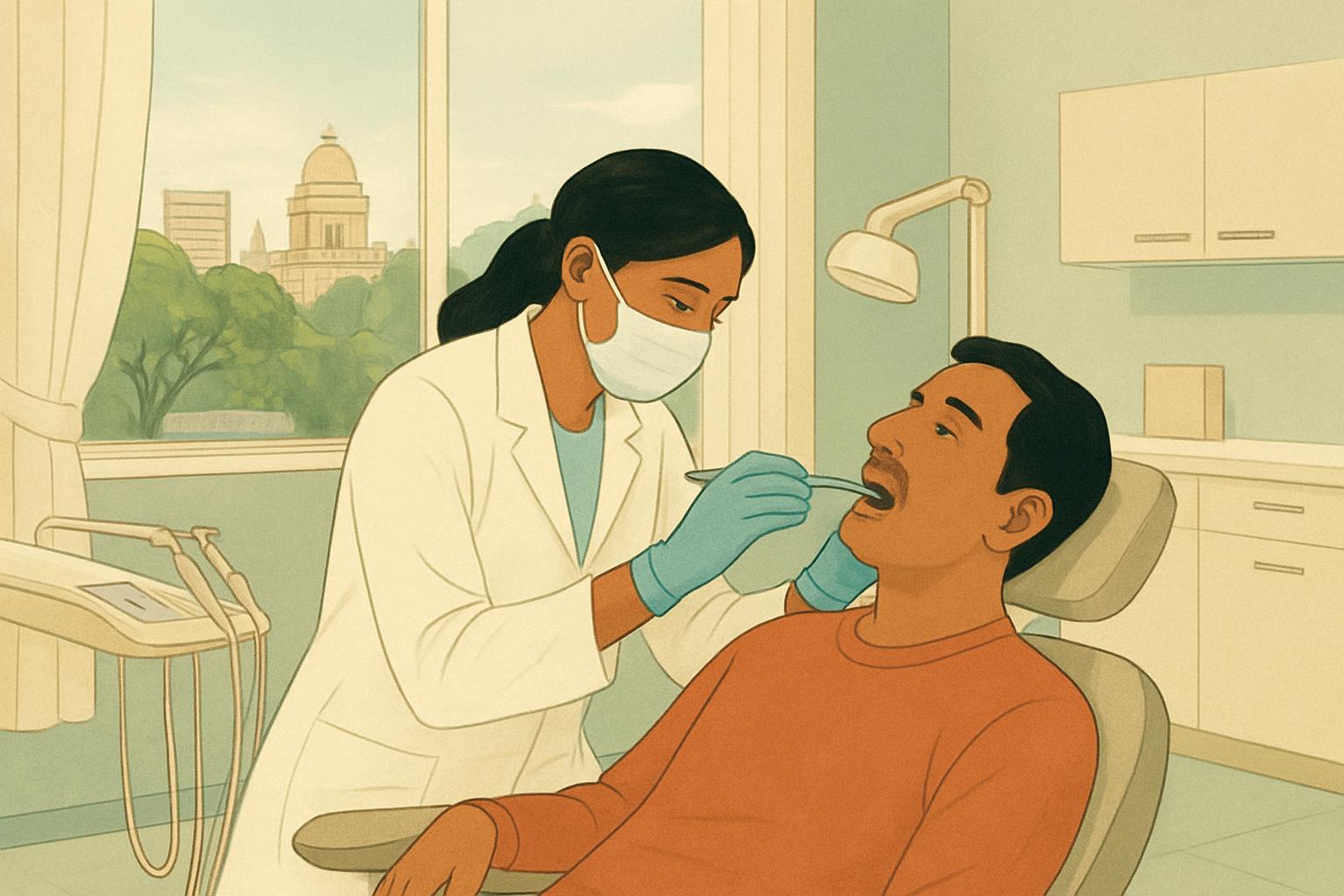
The New ADA Living Guideline: Shaping Early Cancer Detection
In September 2026, the American Dental Association (ADA) introduced its first ever Living Guideline, designed to keep dental practitioners and the public up to date on evidence-based recommendations for oral cancer detection. This new approach isn’t just a traditional report—it updates in real time as research develops, allowing patient care to keep pace with scientific progress.
The guideline strongly reaffirms a point central to all patients: regular dental examinations are crucial for catching oral cancer and potentially malignant conditions as early as possible. Unlike some screening technologies still being explored, well-performed intraoral and extraoral exams remain the foundation for early recognition.
What Patients Should Know About Examinations
Every dental visit—whether for a routine checkup, ongoing recall, or even an emergency—offers a vital opportunity. Dentists look for unusual tissue changes, ulcers, or sores inside the cheeks, under the tongue, and elsewhere in the mouth. If a suspicious lesion is found and does not resolve within 10 to 14 days, the guideline advises that it should be swiftly biopsied or referred to a specialist for further evaluation.
For anyone visiting a dental clinic in Bannerghatta Road or surrounding neighborhoods, this validates the importance of not delaying checkups, as early discovery is often the key to better outcomes for oral squamous cell carcinoma.
What Makes a Living Guideline Different?
Unlike traditional guidelines, which might be updated every few years, a Living Guideline is reviewed as new research becomes available. The ADA’s program, launched in 2025, means professionals and patients alike can trust that recommendations reflect the most current knowledge. This is especially important in fields like oral oncology—where timely reactions to evidence can influence patient health.
However, it’s important to recognize that even Living Guidelines have limits: their recommendations depend on the quality and volume of available research, and some screening tools for oral cancer are still evolving in accuracy. The advice centers firmly on examination because, at present, newer devices and adjunctive technologies require more validation.
What’s Next for Patients in Bangalore?
For patients in Bannerghatta Road and wider Bangalore, the ADA’s Living Guideline serves as a reminder: keeping regular dental appointments is a practical and evidence-based step for protecting your health. If you notice an unexplained sore or lump in your mouth, bringing it to your dentist’s attention promptly remains the best advice. This approach, grounded in current science, is accessible and empowers both clinicians and patients alike.
Always remember: while these recommendations are based on recent research, they are not a substitute for direct assessment and advice from your dental team. Regular checkups—already part of many Bangalore clinics’ routines—are more important than ever in supporting early cancer detection.
Sources
- First ADA living guideline reaffirms dental exams crucial to detecting oral cancer early
- Evidence-based dental research (ADA Clinical Practice Guidelines and Evidence Repository)
Image: Original AI-assisted illustration created for Highgate Dental
Prepared with AI assistance. Educational information, not individual treatment advice.